
In today's world, the push for sustainability is reshaping the way we think about our homes and living spaces. Eco-friendly designs are not just a trend; they are an essential part of contemporary living. In this blog, we'll explore how these designs influence and enhance modern spaces, creating environments that are both stylish and sustainable.
The Rise of Eco-Friendly Designs
Eco-friendly designs have gained significant traction over the past decade as awareness about environmental issues has grown. Modern homeowners are increasingly looking for ways to incorporate sustainable practices into their living spaces, fostering environments that prioritize the well-being of both the inhabitants and the planet. This shift is not just a matter of personal choice but reflects a broader societal change, where people are recognizing the importance of reducing their carbon footprint.
Interestingly, the demand for sustainable design is not limited to residential properties. Commercial buildings are also leaning towards eco-friendly architecture. Incorporating green spaces, efficient energy systems, and sustainable materials is becoming the norm as companies realize the impact sustainable designs can have on their reputation and bottom line. This trend demonstrates a significant shift in consumer consciousness and industry standards about sustainable living.
Key Features of Eco-Friendly Living Spaces
From the use of sustainable materials to efficient energy systems, eco-friendly living spaces incorporate various elements to reduce environmental impact. Recycled materials, energy-efficient appliances, and smart home technologies are just a few examples of how these designs contribute to a greener lifestyle. Smart home technology allows for efficient energy management, cutting down on waste and lowering utility costs.
In addition to technologies and materials, sustainable living spaces often embrace innovative building techniques such as modular construction. This method minimizes material waste and promotes efficient use of resources. Furthermore, features like solar panels and geothermal heating ensure that homes draw a significant portion of their energy from renewable resources.
Designing with Nature: Biophilic Elements
Biophilic design is a core component of eco-friendly spaces, connecting inhabitants with nature. By incorporating natural elements such as plants, organic materials, and natural light, these designs create harmonious environments that promote health and well-being. Studies suggest that biophilic design can improve mood, reduce stress, and enhance overall happiness.
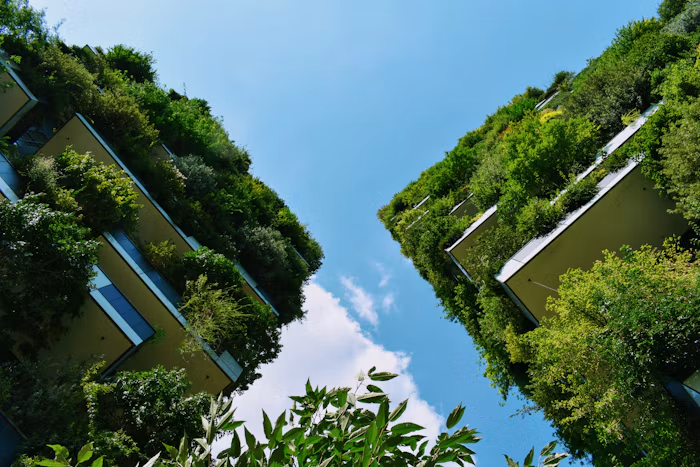
Beyond aesthetics, these designs facilitate a deep, immersive experience with the environment, promoting a sense of tranquility rarely found in more traditionally designed spaces. The use of indoor gardens or living walls not only enhances air quality but also brings a vibrant pop of greenery into the home, merging the boundaries between the indoor and the natural world. This approach reflects a broader movement in contemporary architecture towards harmony and sustainability.
The Impact on Aesthetic and Functionality
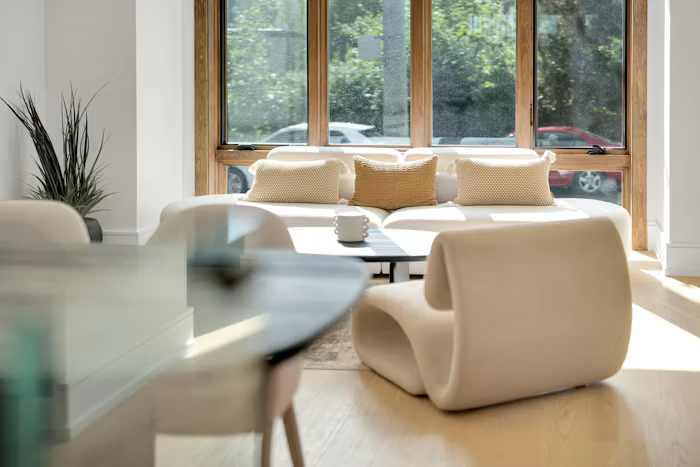
Eco-friendly designs beautifully blend aesthetics with functionality. They offer clean lines, minimalistic approaches, and multipurpose furniture that optimize space. These designs not only look good but also work hard to ensure that day-to-day activities are conducted sustainably. For instance, multifunctional furniture maximizes compact spaces, fulfilling storage needs without the excess bulk.
Aesthetic enhancements in eco-friendly homes aren’t just about beauty – they’re about thoughtful solutions. Bamboo flooring, for instance, provides a beautiful, durable alternative to traditional wood, while LED lighting offers sleek design options that consume far less energy than incandescent bulbs. These choices emphasize an efficient use of resources, where every element serves multiple purposes or improves energy efficiency, marking a departure from purely aesthetic home design.
Innovations in Sustainable Architecture
Architects and designers are continuously pushing the boundaries of sustainable design, creating structures that are highly efficient and in tune with their environments. Innovations like green roofs, solar panels, and rainwater harvesting systems are becoming integral parts of contemporary architecture. For example, green roofs not only provide insulation but also support biodiversity in urban settings.
Furthermore, the integration of innovative design principles such as passive solar building design, which takes advantage of a building’s location and climate to maintain comfortable temperatures, showcases the creativity driving sustainable architecture today. These innovations underscore a commitment to creating spaces that are as resource-efficient as they are beautiful, forging a path to a more sustainable future. As more architectural projects adopt these technologies, we can look forward to a new standard in building design, seamlessly merging sustainability with modern living.
Embracing Sustainability in Modern Homes
Eco-friendly designs hold the key to cultivating living spaces that are as mindful as they are modern. By integrating these practices, we not only preserve our planet but also enrich our homes with innovation and purpose. As we move forward, embracing sustainable design choices can transform our living spaces into true reflections of our values and aspirations. Visit Paragon Living to explore more eco-friendly home solutions.