
In today’s world, finding a family-friendly apartment that is both modern and eco-friendly is not just a dream but a growing reality. With increasing awareness about sustainability and the pressing need for environmentally conscious living, developers are incorporating eco-friendly features into family apartments. This blog will guide you through some of the most innovative and practical eco-friendly features to look for when choosing a modern family apartment.
Solar Energy Utilization
Solar panels are becoming common in modern developments, allowing residents to harness the power of the sun to generate electricity. This not only reduces utility bills but also minimizes the carbon footprint of your household. In many family-friendly apartments, installing solar panels is a straightforward process that can make a significant difference in energy consumption. By opting for solar energy, families can enjoy a more sustainable, cost-efficient lifestyle. Additionally, it increases energy independence, making solar-powered apartments a smart choice for eco-conscious families seeking to invest in renewable energy.
Moreover, the incorporation of solar energy solutions extends beyond rooftop panels. Some modern apartments are exploring new technologies, such as building-integrated photovoltaics (BIPV). This innovative technology integrates solar cells directly into building materials like windows and facades, creating a seamless and aesthetically pleasing environment. By utilizing these advancements, families can benefit from eco-friendly living without compromising on the architectural appeal of their home. The financial incentives provided by governments for installing solar solutions also contribute positively to making these alternatives more accessible for families.
Efficient Water Management Systems
Innovative water management techniques, such as greywater recycling and efficient plumbing fixtures, help conserve water. These systems ensure that families use water responsibly and reduce wastage. Greywater recycling systems treat and reuse wastewater from baths, sinks, and laundries, which can then be used for irrigation or flushing toilets. This not only conserves potable water but also reduces the apartment’s water bills. Families adopting these practices contribute to water conservation efforts, preserving valuable resources and promoting sustainable living.
In addition to greywater recycling, utilizing smart irrigation systems and rainwater harvesting are crucial steps towards effective water management. Smart irrigation systems use sensors and weather data to adjust watering schedules, ensuring optimal water usage for landscaping. Rainwater harvesting involves collecting rainwater from rooftops and storing it for later use in gardening and non-potable needs. These systems greatly reduce the demand on municipal water supplies, demonstrating a commitment to sustainable practices within family-friendly apartments.
Smart Home Technology
Integrating smart home technology allows families to monitor and control energy usage and home systems remotely, adding convenience while promoting energy efficiency. By using smart thermostats, lighting controls, and energy management systems, families can optimize the use of their resources based on real-time data and personal preferences. Smart thermostats automatically adjust heating and cooling based on occupancy, enhancing comfort while minimizing energy consumption.
Smart lighting systems offer flexibility by enabling residents to control lighting remotely via mobile apps. These systems can be programmed to turn off lights when a room is unoccupied or adjust brightness based on natural daylight. Additionally, smart home security features, such as app-managed locks and cameras, provide peace of mind for families. Together, these technologies not only increase the efficiency of home energy usage but also contribute to a more secure and convenient living environment.
The rise of the Internet of Things (IoT) plays a pivotal role in transforming family apartments into smart homes. IoT devices connect different home systems, allowing them to communicate and work in concert. Smart homes can detect when appliances like ovens or washers are left on and send notifications to homeowners, reducing wastage and increasing safety. Embracing these technologies allows families to take greater control of their energy usage, ensuring homes are both economical and environmentally friendly.
Sustainable Building Materials
Modern apartments often use sustainable materials, such as reclaimed wood or recycled steel, in construction, which further reduces environmental impact and enhances the durability of the structure. These materials not only preserve the aesthetic integrity of family-friendly apartments but also ensure they are built to withstand the test of time. Reclaimed wood, known for its unique character and strength, reduces demand for freshly cut timber, thereby protecting forests and reducing carbon emissions.
Similarly, recycled steel, which takes far less energy to produce compared to new steel, contributes to reducing the ecological footprint of construction. This sustainable approach also involves the use of non-toxic, low-VOC (volatile organic compounds) paints and finishes to ensure healthy indoor air quality. With innovations like cross-laminated timber (CLT) and other engineered wood products, developers can further reduce the amount of concrete used in construction, diminishing overall carbon emissions.
Green Roofs and Living Walls
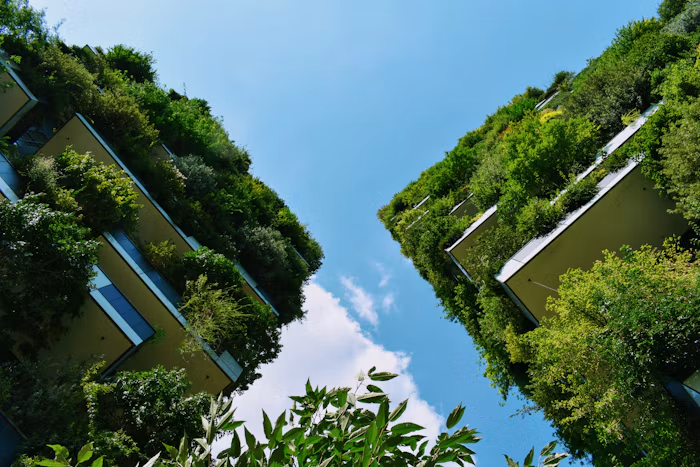
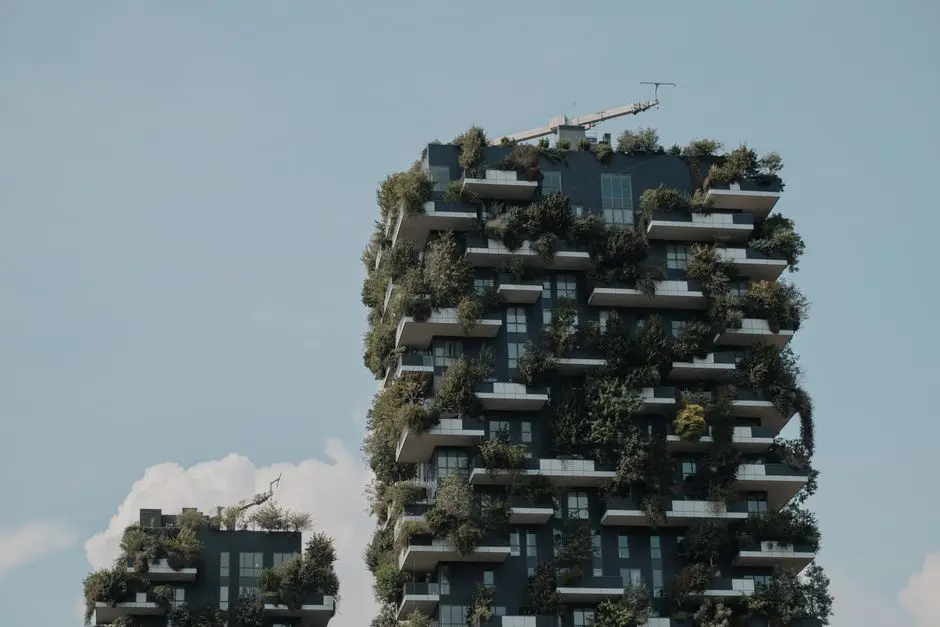
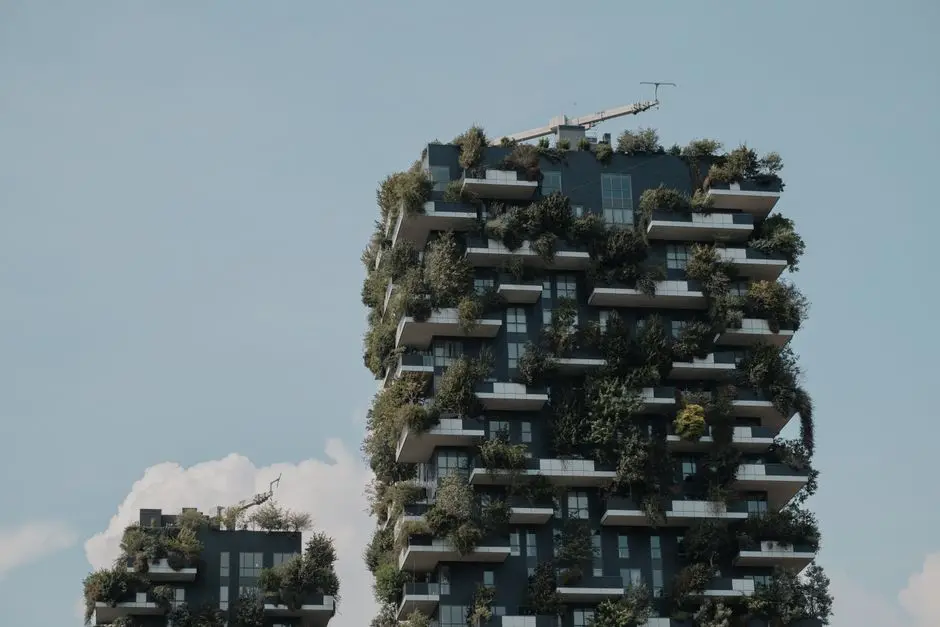
Green roofs and living walls improve air quality, provide insulation, and add aesthetic beauty to the apartment complex. These features create an environmentally friendly atmosphere for families. By transforming rooftops and walls into green spaces, apartment complexes can reduce urban heat island effects and enhance biodiversity. These lush installations absorb carbon dioxide and release oxygen, contributing positively to air quality and the overall health of the surroundings.
The insulating properties of green roofs play a significant role in regulating building temperature, leading to reduced heating and cooling costs for residents. Living walls, or vertical gardens, not only soften urban architecture but also offer the benefits of improved sound insulation and reduced ambient noise. For families, these greeneries provide an urban oasis that enhances overall well-being by creating a soothing environment and encouraging outdoor activities.
Beyond aesthetics and environmental benefits, green roofs and living walls also foster community interaction. They offer communal spaces where families can gather, relax, or partake in gardening activities. By cultivating these communal green areas, apartments promote a sense of belonging and encourage social engagement among residents. The integration of eco-friendly landscapes into urban living settings not only elevates the standard of living but also underscores a commitment to sustainability.
Energy-Efficient Lighting
Utilizing LED and other energy-efficient lighting options significantly reduces electricity consumption and provides longer-lasting illumination, fostering a greener lifestyle. LEDs use up to 75 percent less energy and last 25 times longer than incandescent lighting. By replacing traditional bulbs with LEDs, apartments reduce power demands and contribute to lower energy bills.
Moreover, advanced lighting systems that incorporate motion sensors ensure lights are used only when needed, avoiding unnecessary energy use. Implementing daylight harvesting, a technology that adjusts interior lighting levels based on available natural light, further enhances energy efficiency. Such strategies ensure that family-friendly apartments remain well-lit and comfortable while adhering to eco-friendly principles.
Natural Ventilation Design
A well-designed natural ventilation system in apartments enhances air flow, reduces reliance on air conditioning, and promotes a healthy indoor environment for families. By aligning windows and vents strategically, apartments can harness prevailing winds, ensuring fresh air circulates throughout the home. Features such as adjustable sunshades and louvered windows allow residents to manage airflow and indoor temperatures efficiently.
These designs not only enhance air circulation but also support lower energy expenses by minimizing dependency on mechanical ventilation and air conditioning. Effective natural ventilation strategies help remove indoor pollutants, reduce moisture levels, and prevent the growth of mold, contributing to healthier living conditions. Ensuring proper airflow can not only enhance comfort levels but also improve overall well-being for family members.
Eco-friendly Landscapes
Landscaping with native plants diminishes the need for extensive irrigation and maintenance, creating a natural and environmentally friendly outdoor space for family activities. Native plants are well-adapted to the local climate, requiring less water and fertilizer while providing habitats for local wildlife. This not only enhances biodiversity but also creates beautiful spaces that encourage family interactions and outdoor play.
In addition to planting native flora, the use of permeable surfaces in landscaping assists with stormwater management by allowing rainwater to infiltrate the ground, replenishing groundwater supplies and reducing runoff. Sustainable landscaping contributes to reducing urban flooding risks and helps in maintaining the ecological balance. These green spaces offer an inviting area for relaxation, community interaction, and environmental education for children, establishing a deep-seated connection with nature for all family members.
Sustainable Transportation Facilities
Features like bike storage and electric vehicle charging stations support sustainable transport methods, encouraging families to reduce their reliance on fossil fuels. By providing these amenities, family-friendly apartments promote a healthier lifestyle while minimizing environmental impact. Secure bike storage ensures residents have easy, safe access to their bicycles, motivating families to opt for biking rather than driving for short trips.
The availability of on-site electric vehicle (EV) charging stations bolsters the adoption of electric cars, aligning with the global push towards reducing carbon emissions. These infrastructures support the transition to cleaner transportation options, making electric cars more convenient and practical for urban living. Encouraging sustainable transport forms part of a holistic approach to eco-friendly living, reinforcing the commitment of modern family apartments to sustainability and forward-thinking urban development.
Creating a Sustainable Family Future
Choosing an eco-friendly, family-friendly apartment is a step towards a more sustainable future. By living in a space that prioritizes environmental well-being, you contribute positively to the planet while creating a healthy and safe environment for your family. These innovative features aren't just trends; they are essential components of modern living, impacting our lives today and for generations to come. Learn more about our commitment to sustainable living at Paragon Living.